

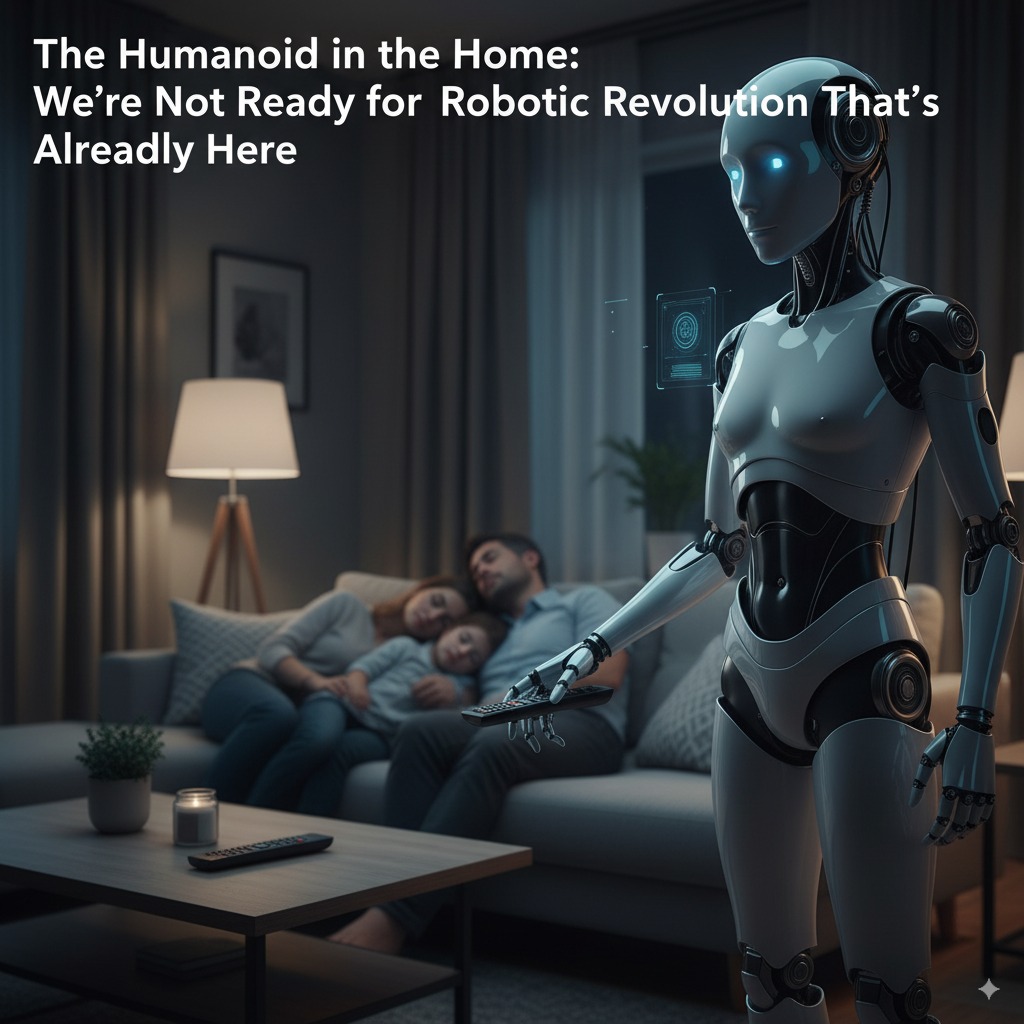
Science fiction has conditioned us to expect the robot revolution to arrive with a dramatic bang. The reality is that it’s arriving silently, not as a hostile invasion, but as a line item on a balance sheet. The era of the affordable, functional humanoid robot is no longer a distant dream; it’s a market reality, and it’s poised to trigger the single greatest upgrade to quality of life since the washing machine.
For years, advanced robotics were confined to multi-million dollar factory cages. Today, companies like Figure and Apptronik are demonstrating humanoids with astonishing dexterity, and more accessible models are entering the market for prices under $10,000. When a functional robot costs less than a used car, it ceases to be an industrial tool and becomes a consumer appliance.
Think about the implications. We are talking about the end of chores. Cooking, cleaning, laundry, yard work—the countless hours of unpaid labor that drain our time and energy—will be automated. This isn’t just about convenience; it’s about reclaiming a significant portion of our lives. It’s a seismic shift that will free up billions of hours of human potential, allowing people to focus on creativity, education, relationships, and leisure.
This revolution will force us to rethink everything:
The Economy: What happens to the service industries built on manual labor?
Architecture: Will we design homes with wider hallways and charging stations built into the walls?
Social Structures: How do our family dynamics change when household management is no longer a source of conflict?
The first waves of these robots will be basic, but their capabilities will grow exponentially. The strategic mistake is to view this as a novelty. It is a fundamental economic and social disruption. Businesses should be planning for a world where their employees are less burdened by domestic life, and families should be preparing for a new definition of “home.” The revolution isn’t coming; it’s unboxing itself in the garage.